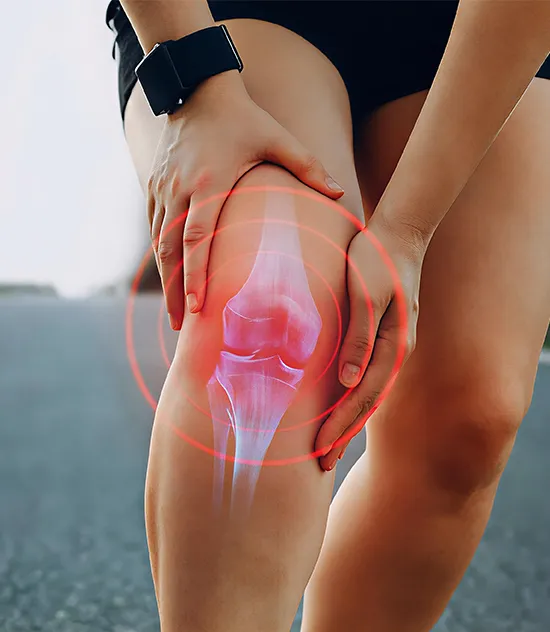
Experiencing leg pain or cramps? It could be Peripheral Artery Disease (PAD) or Knee Arthritis. Learn More




Aching legs when lying down can make bedtime frustrating. You get into bed, but instead of resting, you notice throbbing, cramping, heaviness, tingling, or a deep ache in one or both legs. Sometimes it follows a long day on your feet. Other times, it seems to happen without a clear reason.
Occasional soreness may be linked to muscle fatigue or dehydration. However, when the discomfort keeps coming back or starts affecting your sleep, it may be worth looking deeper. In some cases, ongoing leg pain at night can be related to circulation problems, including issues with the veins or arteries.
Leg symptoms may seem stronger at night because your body is still. During the day, movement helps muscles pump blood back toward the heart. When you lie down, that pumping action slows, and circulation problems may become more noticeable.
Body position can also change how blood moves through the legs. Raising or lowering the legs may shift pressure in the veins or arteries. That does not mean every nighttime ache is vascular, but a repeated pattern can provide an important clue.
There are several common causes of aching in legs when lying down:
Poor circulation means the legs may not be getting or returning blood efficiently. This can cause aching, cramping, coldness, numbness, or tiredness in the legs and feet. Symptoms may be mild at first and easy to dismiss.
Circulation-related discomfort may appear during walking, after standing, or during rest. If pain wakes you up or improves when you change leg position, a vascular evaluation can help show whether blood flow is involved.
Veins carry blood from the legs back to the heart. When vein valves weaken, blood can pool in the lower legs. This may lead to varicose veins, swelling, heaviness, throbbing, itching, or an achy feeling that becomes more obvious later in the day.
People with vein-related symptoms often notice discomfort after long hours of sitting or standing. Elevating the legs may help temporarily, but recurring symptoms should be checked. Treatment may include lifestyle changes, compression, or minimally invasive vein care.
Peripheral artery disease, or PAD, happens when narrowed arteries reduce blood flow to the legs. PAD often causes cramping or pain while walking, especially in the calf, thigh, or buttock. The pain improves with rest in earlier stages.
In advanced PAD, pain can happen even when resting or lying down because leg tissues are not getting enough oxygen-rich blood. This type of rest pain deserves prompt medical attention, especially with cold feet, color changes, numbness, or slow-healing wounds.
Not every nighttime leg ache is caused by circulation. Long workouts, standing for many hours, wearing unsupportive shoes, dehydration, or low electrolyte balance can lead to sore muscles and cramps. These symptoms may improve with stretching, hydration, rest, and gradual activity changes.
The difference is usually pattern and persistence. Muscle soreness often follows a clear trigger and improves within a few days. Circulation-related pain may keep returning, affect walking, or come with swelling, skin changes, coldness, or numbness.
Nerve-related discomfort can feel different from muscle or circulation pain. Some people describe burning, tingling, crawling sensations, or an urge to move the legs. Restless legs syndrome often appears during rest and may feel worse in the evening or while lying down. Movement may bring short-term relief.
Because nerve, muscle, vein, and artery symptoms can overlap, guessing the cause is not always easy. A careful medical exam helps narrow the reason for nighttime leg discomfort.
Consider a vascular evaluation if nighttime leg aching happens along with:
These signs do not automatically mean you have PAD or vein disease. Early testing can often clarify the cause before symptoms become more difficult to manage.
Schedule an evaluation if leg pain happens frequently, affects your sleep, worsens over time, or limits walking. You should also seek care for swelling in one leg, warmth, redness, sudden pain, or a new sore on your foot or leg.
If symptoms are sudden or severe, or if leg swelling comes with chest pain or shortness of breath, seek urgent medical help. These symptoms may point to a blood clot or another serious medical concern.
A vascular specialist starts by reviewing your symptoms, medical history, risk factors, and leg exam findings. Testing may include an ankle-brachial index, arterial ultrasound, venous ultrasound, or other imaging to check how blood moves through the arteries and veins.
Treatment depends on the cause. Some people improve with walking programs, smoking cessation, medication, compression, hydration, or leg elevation. Others may need minimally invasive procedures to improve blood flow or treat unhealthy veins.
Aching legs when lying down can come from muscle fatigue, but it can also be a sign of poor circulation, vein disease, or PAD. If discomfort keeps returning, wakes you up, or comes with coldness, numbness, swelling, or slow-healing sores, early evaluation can help protect your mobility and peace of mind.
North Atlanta Vascular Clinic provides expert evaluation and treatment for leg pain, PAD, varicose veins, and other vascular conditions. If nighttime leg discomfort is affecting your rest, book an appointment with North Atlanta Vascular Clinic today.