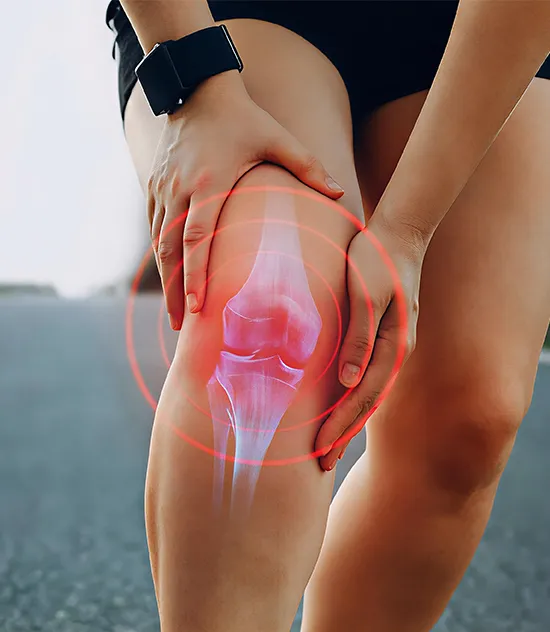
Experiencing leg pain or cramps? It could be Peripheral Artery Disease (PAD) or Knee Arthritis. Learn More
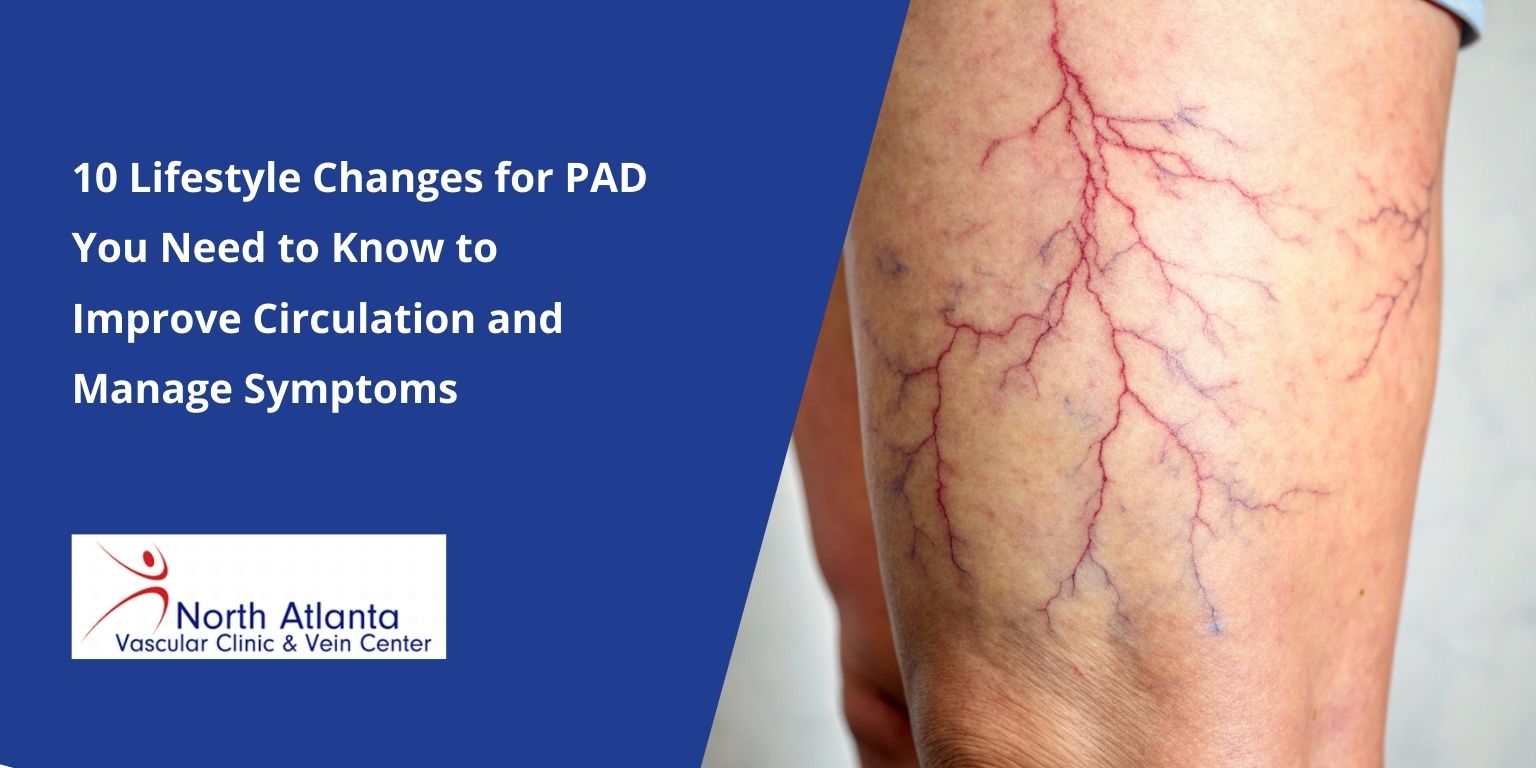



Peripheral Artery Disease (PAD) is a condition in which narrowed arteries reduce blood flow to the legs. Many people with PAD experience leg pain while walking, cramping, numbness, or slow-healing wounds. Over time, reduced circulation can affect mobility and overall health.
While medical treatments are important, lifestyle changes for PAD play a central role in improving circulation and managing symptoms. Daily habits directly impact blood flow, inflammation, and disease progression. Small, consistent changes can make a measurable difference.
Why Lifestyle Changes Matter for PAD
PAD develops gradually, often due to plaque buildup in the arteries. Habits such as smoking, poor diet, and inactivity can worsen circulation and increase symptom severity.
Non-surgical management is often the first step in PAD care. Lifestyle adjustments can:
A supervised or structured walking program is widely recommended when patients ask what exercise is best for peripheral artery disease. Walking helps the body develop small collateral blood vessels that improve circulation around blocked arteries. Patients are typically advised to walk until mild to moderate leg discomfort begins, rest until it improves, and then resume walking. Repeating this cycle for 30 to 45 minutes several times per week can gradually increase walking distance and reduce symptoms over time.
While walking is the foundation of PAD exercise therapy, other low-impact activities such as cycling, swimming, and elliptical training can further support circulation. Light resistance training strengthens muscles, allowing them to use oxygen more efficiently. Gentle stretching improves flexibility and reduces stiffness. Exercise intensity should be increased gradually and always discussed with a healthcare provider to ensure safety.
Smoking is one of the strongest risk factors for PAD progression. Tobacco damages the inner lining of blood vessels, promotes plaque buildup, and reduces oxygen delivery to tissues. Quitting smoking slows artery damage and significantly lowers the risk of complications such as limb ischemia. Avoiding secondhand smoke is also important, as even passive exposure can negatively affect vascular health.
A heart-healthy diet supports better blood flow. Foods that improve blood circulation in the legs are typically rich in fiber, antioxidants, and healthy fats. Leafy greens, berries, fatty fish like salmon, nuts, seeds, and whole grains help reduce inflammation and protect blood vessels. These nutrients support healthy cholesterol levels and promote smoother circulation.
Knowing the foods to avoid with PAD can prevent symptom flare-ups. Diets high in sodium, processed sugars, and trans fats contribute to inflammation, high blood pressure, and elevated cholesterol. Limiting fried foods, processed meats, packaged snacks, and excess salt helps protect arteries and improve overall circulation.
Carrying excess weight increases strain on the circulatory system and can worsen leg pain during activity. Achieving and maintaining a healthy weight reduces pressure on the arteries and improves mobility. Combining portion control with regular physical activity creates a sustainable approach to weight management.
Uncontrolled diabetes and high cholesterol accelerate artery narrowing. Monitoring blood sugar levels, following a balanced diet, exercising regularly, and taking prescribed medications help protect blood vessels from further damage and slow PAD progression.
High blood pressure adds stress to already narrowed arteries. Reducing sodium intake, staying active, managing stress, and getting consistent sleep all support healthier blood pressure levels. These habits improve overall vascular function.
Because PAD reduces blood flow to the lower extremities, even minor cuts or blisters can become serious. Inspect your feet daily, keep skin moisturized, trim nails carefully, and wear supportive, well-fitting shoes. Promptly report any wounds, discoloration, or swelling to a healthcare provider.
Routine medical visits allow your provider to monitor circulation, review symptoms, and adjust treatment plans when needed. Early detection of changes can prevent serious complications and support long-term vascular health.
Seek medical attention if you experience:
A vascular evaluation can determine the severity of PAD and identify advanced treatment options if needed.
Lifestyle changes for PAD are not optional. They are essential. From structured walking to heart-healthy nutrition, daily habits directly influence circulation and symptom control. When combined with proper medical care, these strategies help protect your mobility and overall vascular health.
If you are experiencing PAD symptoms or have concerns about your circulation, the specialists at North Atlanta Vascular Clinic are here to help. Schedule a consultation today and take the first step toward stronger circulation and healthier legs.