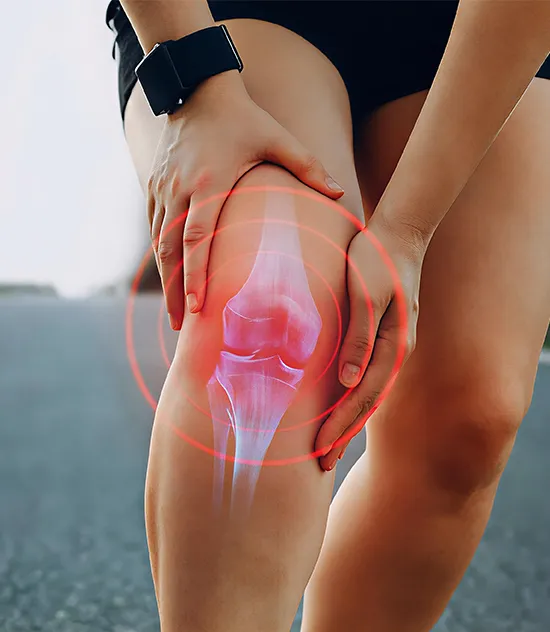
Experiencing leg pain or cramps? It could be Peripheral Artery Disease (PAD) or Knee Arthritis. Learn More




Leg cramps can feel sudden, painful, and frustrating. Whether they happen at night, during activity, or even while resting, many people dismiss them as minor or random. In reality, frequent leg cramps are often your body’s way of signaling an imbalance.
One of the most overlooked causes is diet. What you eat and drink directly affects muscle function, circulation, and nerve signaling. Poor nutrition, dehydration, and certain food choices can increase the likelihood of cramping. For some individuals, especially those with underlying vascular conditions, diet can make symptoms more noticeable or frequent.
Understanding the connection between food and muscle health can help you take simple steps to reduce cramps and improve overall leg comfort.
Your diet plays a major role in whether your muscles function properly or become prone to cramping.
Muscles rely on a delicate balance of nutrients and fluids to contract and relax smoothly. Electrolytes such as potassium, magnesium, and calcium are essential for this process. These minerals help regulate nerve signals and muscle contractions. When levels are too low or imbalanced, muscles can tighten involuntarily, causing cramps.
Hydration is equally important. When your body lacks sufficient fluids, blood flow can slow down, and nutrient delivery to muscles becomes less efficient. This can lead to stiffness, fatigue, and cramping.
The most common diet-related causes of leg cramps include:
Even everyday habits, such as drinking too much coffee or consuming processed foods, can disrupt this balance over time.
Certain foods can increase the risk of leg cramps, especially when consumed regularly or in excess. These foods often contribute to dehydration, nutrient loss, or imbalances that affect muscle function.
Processed foods like chips, frozen meals, and fast food are typically high in sodium. While sodium is an essential electrolyte, too much of it can disrupt fluid balance in the body.
Excess salt can lead to:
Foods high in sugar and refined carbs, such as pastries, white bread, and sugary drinks, can impact how your body processes minerals.
High sugar intake can:
Caffeine is commonly found in coffee, tea, energy drinks, and some sodas. While moderate consumption is generally safe, excessive intake can act as a diuretic.
This means it can:
Alcohol can have a similar effect on the body as caffeine, but often more pronounced.
It can:
A diet lacking in whole, nutrient-dense foods is one of the biggest contributors to muscle cramps.
If your meals do not include enough fruits, vegetables, whole grains, and healthy fats, your body may not get the minerals it needs to function properly. Over time, deficiencies can develop, making cramps more frequent and severe.
Making the right dietary choices can significantly reduce the frequency of leg cramps. It is not just about avoiding certain foods but also about adding the right ones.
A healthy diet not only supports muscle function but also improves blood flow. Proper nutrition, along with hydration, helps maintain steady circulation and reduces discomfort in the legs.
While food is important, hydration deserves special attention.
Water helps transport nutrients to your muscles and supports healthy blood flow. When you are dehydrated, your blood becomes more concentrated, making it harder for oxygen and nutrients to reach muscle tissues.
Signs that dehydration may be contributing to your leg cramps include:
Staying consistently hydrated, rather than drinking large amounts at once, can help your body maintain balance and prevent cramps.
Diet-related cramps are common, but not all leg cramps are caused by food or hydration.
In some cases, persistent or severe cramping may be linked to circulation problems. When blood flow to the legs is reduced, muscles may not receive enough oxygen, leading to pain and cramping.
Watch for these warning signs:
Poor circulation can also contribute to stiffness, numbness, and discomfort, especially after long periods of inactivity or rest.
Conditions such as peripheral artery disease (PAD) or venous insufficiency may be underlying causes and should not be ignored.
Dietary habits play a key role in muscle function, circulation, and overall leg health. Identifying foods that cause leg cramps and correcting nutrient imbalances can help reduce discomfort and improve daily mobility. From staying hydrated to including electrolyte-rich foods, small changes in your routine can make a meaningful difference in preventing cramps.
However, lifestyle changes alone may not be enough in every case. Frequent or persistent leg cramps can sometimes be a sign of an underlying circulation problem that needs medical attention. Addressing both diet and vascular health is essential for long-term relief.
If you are experiencing ongoing leg cramps or have concerns about your circulation, the specialists at North Atlanta Vascular Clinic are here to help. Schedule a consultation today and take the first step toward better circulation and healthier, pain-free legs.