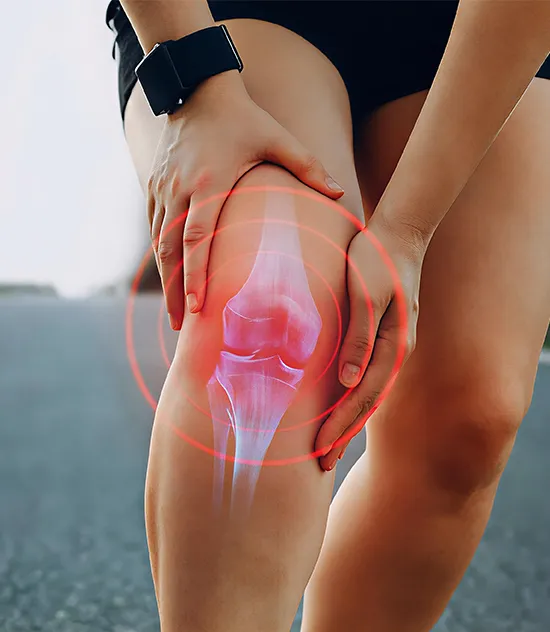
Experiencing leg pain or cramps? It could be Peripheral Artery Disease (PAD) or Knee Arthritis. Learn More




Modern lifestyles have become increasingly sedentary. Whether it’s long hours at a desk, extended screen time, or commuting, many people spend most of their day sitting. While this may feel harmless, prolonged sitting can have serious effects on your vascular health.
One of the biggest concerns is its link to poor circulation and increased stroke risk. Understanding the dangers of prolonged sitting and making simple lifestyle changes can play a key role in protecting your long-term health. In fact, knowing what to do to prevent a stroke often begins with recognizing how daily habits impact your body.
Sitting for extended periods slows down your body’s natural circulation. When your muscles are inactive, especially in the legs, they do not effectively help pump blood back to the heart. Over time, this can lead to several health concerns.
The most common effects of prolonged sitting include:
Prolonged sitting also contributes to inflammation and can negatively affect how your blood vessels function. These changes may not be noticeable right away, but over time, they can significantly impact cardiovascular and vascular health.
Stroke occurs when blood flow to the brain is interrupted, often due to a blood clot or narrowed arteries. Sitting for long periods can increase this risk in several ways.
When you sit for hours without movement, blood flow slows down, especially in the legs. This can lead to the formation of blood clots, which may travel to the brain and cause a stroke.
Sitting for extended periods can put pressure on veins, particularly behind the knees. This restricts proper blood flow and contributes to vascular strain.
Sedentary behavior is linked to conditions that increase stroke risk, including:
These conditions damage blood vessels over time, making it easier for blockages to form.
The risk is not just about one long sitting session. It builds over months and years of inactivity. Even if you exercise occasionally, long uninterrupted sitting periods can still negatively affect your circulation.
Preventing a stroke involves a combination of lifestyle habits that support healthy circulation and heart function. The good news is that many of these steps are simple and effective.
Regular movement is one of the most important ways to reduce stroke risk. Aim for:
Physical activity helps improve circulation, lower blood pressure, and strengthen your heart.
High blood pressure and cholesterol are major contributors to stroke.
To manage these:
A nutritious diet supports both circulation and vascular health.
Focus on:
Reducing sugar and processed foods can also help prevent metabolic issues that increase stroke risk.
Smoking damages blood vessels and increases clot risk. Alcohol, when consumed in excess, can raise blood pressure and contribute to dehydration.
Quitting smoking and limiting alcohol intake are critical steps in stroke prevention.
Excess weight puts additional strain on your heart and blood vessels. Maintaining a healthy weight reduces the risk of high blood pressure, diabetes, and other stroke-related conditions.
Routine check-ups help detect risk factors early.
Your doctor can monitor:
If your daily routine involves long hours of sitting, small changes can make a big difference in your circulation.
Stand up and move every 30 to 60 minutes. Even a short walk can help restore blood flow.
You can improve circulation without leaving your desk.
Try:
These movements help your muscles push blood back toward the heart.
Your sitting position affects circulation more than you might think.
Good posture reduces pressure on blood vessels and supports better circulation.
Hydration helps maintain healthy blood volume and flow. Drinking water throughout the day supports your circulation and reduces the risk of clot formation.
Using a standing desk or taking short walking breaks can significantly improve circulation during long workdays.
Even a few minutes of movement every hour can make a noticeable difference.
While lifestyle changes are effective, certain symptoms should not be ignored. They may indicate underlying vascular issues that require medical evaluation.
Watch for:
These symptoms may be early warning signs of circulation problems or stroke.
Early evaluation is essential to prevent serious complications.
Prolonged sitting is a common part of modern life, but its impact on your health should not be underestimated. The dangers of prolonged sitting include reduced circulation, increased clot risk, and long-term strain on your cardiovascular system. Small, consistent changes such as staying active, improving posture, and maintaining a heart-healthy lifestyle can significantly reduce your risk.
Understanding what to do to prevent a stroke starts with taking control of your daily habits. However, if you are experiencing symptoms such as leg discomfort, swelling, or signs of poor circulation, it is important to look beyond lifestyle factors.
At North Atlanta Vascular Clinic, our specialists focus on identifying and treating underlying vascular conditions that may increase your stroke risk. Schedule a consultation today and take the first step toward better circulation, improved vascular health, and long-term protection against stroke.