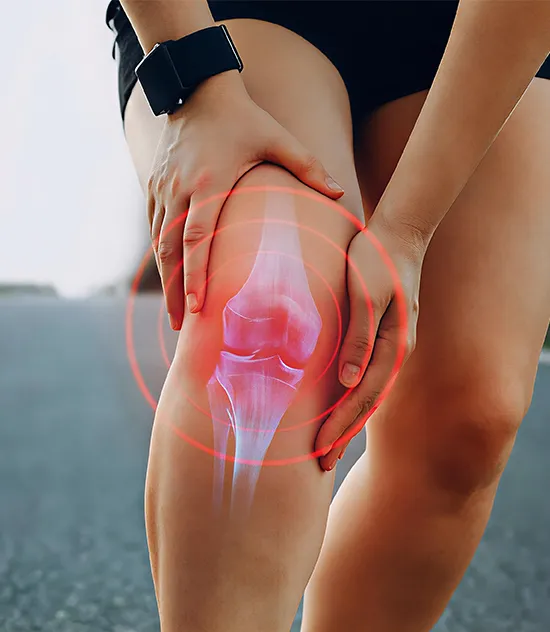
Experiencing leg pain or cramps? It could be Peripheral Artery Disease (PAD) or Knee Arthritis. Learn More




Most cuts, scrapes, and sores close up within a couple of weeks. When one lingers for a month, reopens, or keeps changing, it stops being a minor annoyance. At that point, the question shifts from how to dress it to why it will not heal.
Knowing when home care has reached its limit helps you get the right help sooner, and the right help is not always the doctor you would expect.
A chronic wound is generally one that has not shown steady progress after several weeks of appropriate care, or one that heals and then returns. Common types include sores on the legs, ankles, and feet.
These wounds are rarely a skin problem alone. They are usually a symptom of something underlying, such as poor blood flow, diabetes, or ongoing pressure.
Healing depends on oxygen-rich blood reaching the tissue and on blood returning from it. When either side of that system fails, repair stalls. Common culprits include:
Treating the surface without finding the cause often leads to the same wound coming back.
Consider an evaluation if you notice any of the following:
Several of these overlap with the symptoms in our guide to PAD warning signs.
Seek prompt medical care for spreading redness, increasing pain, warmth, swelling, pus or foul-smelling drainage, fever or chills, or black or darkened skin around a wound. Sudden severe pain, coldness, or numbness in a leg or foot also needs urgent attention.
Wound dressings treat the wound. A vascular specialist looks at the blood vessels feeding and draining it. Because poor circulation is among the most common reasons a wound will not close, evaluating the vessels can uncover the real barrier to healing.
The team treats the root cause of the wound, not just the symptoms. Learn more about wound management and ulcers at North Atlanta Vascular Clinic.
Basic care remains important. Keep the wound clean and covered with a fresh dressing as directed, and avoid putting pressure on the area. Elevate the leg only if a doctor has said it is safe, since that advice differs for artery and vein problems.
Avoid cutting away tissue yourself or applying strong antiseptics unless instructed. If you smoke, stopping is one of the most helpful steps you can take, because nicotine narrows blood vessels and slows repair.
A visit usually begins with a physical exam, a review of your symptoms, and a discussion of your medical history, including diabetes, smoking, and prior vascular problems. The specialist examines the wound and checks the circulation in the leg and foot.
Testing, such as an ultrasound, may be used to see how blood is moving through your arteries and veins. These tests are generally noninvasive.
After a diagnosis, a customized wound management plan is built around your condition. Depending on your needs, it may include:
Our post on lifestyle changes for PAD outlines everyday habits that support circulation
When blood flow stays poor, a small wound can become infected, deepen, or lead to tissue loss. Earlier evaluation often means simpler treatment and a better chance of keeping the limb healthy.
A sore that will not heal is your body asking for a closer look. You do not need to wait for it to get worse before asking for help.
North Atlanta Vascular Clinic offers evaluation and treatment of slow-healing wounds at its Suwanee/Johns Creek, Alpharetta, Cumming, and Lawrenceville, Georgia locations.
If a wound has lingered or keeps coming back, schedule an appointment to find out why.
A wound with no clear improvement after about two to four weeks should be evaluated.
Yes, reduced blood flow limits the oxygen and nutrients tissue needs to repair itself.
Start with either, but a vascular specialist can find circulation problems that dressings cannot fix.
No, PAD, vein disease, pressure, and infection can all stop a wound from healing.
Yes, untreated wounds can become infected or lead to tissue loss, which is why early evaluation matters.