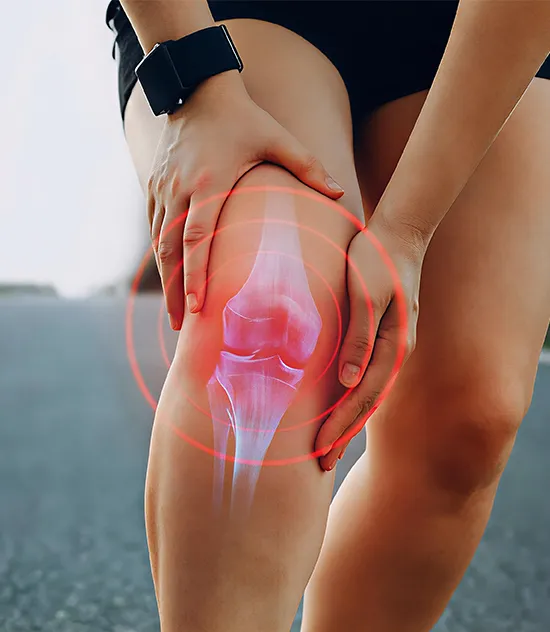
Experiencing leg pain or cramps? It could be Peripheral Artery Disease (PAD) or Knee Arthritis. Learn More




Philadelphia Eagles quarterback Jalen Hurts is known for his strength, athleticism, and physical conditioning. However, following a recent game, the NFL star experienced a serious health concern that led to a diagnosis of deep vein thrombosis (DVT) and bilateral pulmonary emboli, potentially sidelining him for the remainder of the 2026 NFL season.
What initially appeared to be a calf injury prompted further medical evaluation, revealing a more serious vascular condition. His experience highlights how symptoms resembling a routine sports injury can sometimes signal a potentially dangerous blood clot.
His diagnosis highlights an important reality: blood clots can affect anyone, including young, physically active individuals. Understanding how they develop, recognizing warning signs, and taking preventive measures can make a critical difference.
According to NFL reporting, Hurts reported discomfort in his left calf on October 8, following an injury during a game against the Los Angeles Rams.
An ultrasound performed in London on October 10 initially identified superficial vein thrombosis, a clot in a vein near the skin's surface.
Subsequent medical evaluations identified deep vein thrombosis and bilateral pulmonary emboli, with the Eagles confirming the diagnoses on October 19. Although superficial vein thrombosis was detected earlier, publicly available information does not establish exactly how the clots developed or whether the initial superficial clot was directly related to the later findings.
Hurts was placed on injured reserve and prescribed anticoagulant medications, commonly called blood thinners. Although he was reported to be clinically stable, contact sports were restricted during treatment.
The precise factors responsible for his clotting condition have not been publicly established. Nevertheless, his experience raises important questions about how blood clots form and when leg symptoms may indicate something more serious.
Deep vein thrombosis and pulmonary embolism are closely related conditions, collectively known as venous thromboembolism (VTE).
DVT occurs when a blood clot forms inside a deep vein, usually in the lower leg, thigh, or pelvis.
The clot can partially or completely obstruct blood flow, causing swelling, discomfort, or tenderness. Some people, however, develop DVT without noticeable symptoms.
A pulmonary embolism occurs when a blood clot, often originating in a deep leg vein, breaks loose, travels through the bloodstream, and blocks an artery in the lungs.
This blockage can interfere with blood flow and oxygen exchange, placing strain on the heart and lungs.
A pulmonary embolism can be life-threatening and requires immediate medical attention.
Hurts' diagnosis demonstrates that physical fitness alone does not eliminate the possibility of developing blood clots.
Several factors can increase DVT risk:
Risk also generally rises with age and excess body weight. Multiple risk factors occurring together can further increase the likelihood of DVT.
One challenge with DVT is that its symptoms can resemble an ordinary muscle strain, particularly when discomfort begins after exercise or an injury.
Watch for:
These symptoms do not automatically indicate a blood clot, but they warrant prompt medical evaluation. DVT can also occur without obvious warning signs.
A pulmonary embolism may cause:
If you experience symptoms suggesting pulmonary embolism, call 911 or seek emergency medical care immediately.
People researching the stages of pulmonary embolism may expect the condition to progress through a fixed series of stages. However, pulmonary embolism is generally assessed according to clinical severity and the risk of serious complications.
The 2026 American Heart Association and American College of Cardiology guidelines introduce five clinical categories, A through E, ranging from asymptomatic cases to life-threatening heart and lung failure.
Doctors consider factors such as blood pressure, oxygen levels, heart function, symptoms, and other clinical findings when assessing severity.
A patient does not necessarily progress through these categories sequentially. Even someone who initially appears stable requires an appropriate medical evaluation to determine the safest treatment approach.
Early diagnosis helps doctors determine the location of a clot, assess potential complications, and recommend treatment.
For suspected DVT, healthcare professionals commonly use duplex ultrasound to examine blood flow and detect clots in deep veins. Blood tests and additional imaging may also be appropriate.
Suspected pulmonary embolism typically requires emergency evaluation, often involving specialized chest imaging.
Treatment depends on the location and severity of the clot, the patient's overall health, and the risk of complications.
For patients diagnosed with DVT, treatment may include:
Pulmonary embolism requires urgent medical evaluation. Treatment commonly involves anticoagulant medications, while severe cases may require clot-dissolving medications or specialized procedures to restore blood flow.
The appropriate treatment depends on the patient's clinical condition and the severity of the pulmonary embolism.
Although not every blood clot is preventable, several practical measures can help reduce the risk.
Importantly, people who suspect they already have DVT should seek medical evaluation rather than relying on exercise or home remedies.
Jalen Hurts' diagnosis highlights why unexplained leg pain, swelling, or tenderness should not be overlooked, even in young and physically active individuals.
If you experience symptoms suggesting DVT, prompt medical evaluation can help identify blood clots and determine appropriate treatment. Sudden shortness of breath, chest pain, or fainting may indicate a pulmonary embolism and requires immediate emergency medical care.
At North Atlanta Vascular Clinic, our vascular specialists provide DVT evaluation and treatment to help patients manage their condition and reduce the risk of complications.
If you have concerns about your vascular health or risk factors for DVT, schedule an appointment with North Atlanta Vascular Clinic for a personalized evaluation.