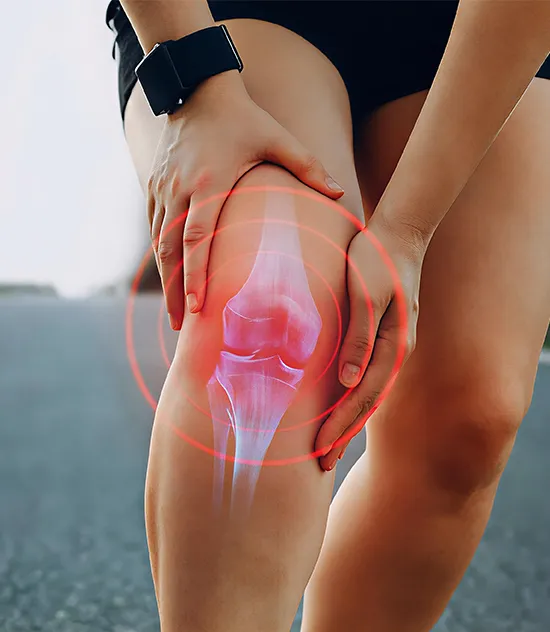
Experiencing leg pain or cramps? It could be Peripheral Artery Disease (PAD) or Knee Arthritis. Learn More




September is Peripheral Artery Disease (PAD) Awareness Month, a reminder to pay closer attention to a condition that often develops quietly. PAD happens when narrowed arteries reduce blood flow, most commonly to the legs, and early on, symptoms aren't always dramatic enough to raise concern.
That's part of what makes awareness worth revisiting each year. Two questions matter most: are you someone who's more likely to develop PAD, and do you know which warning signs deserve a closer look?
Smoking is one of the most significant, and most modifiable, risk factors for PAD. Tobacco exposure damages the lining of blood vessels and speeds up the plaque buildup, known as atherosclerosis, that narrows arteries over time.
Diabetes affects blood vessels throughout the body, which is why people with diabetes need extra attention to circulation and foot health. Diabetic neuropathy can also dull nerve sensation in the feet, sometimes making PAD symptoms less noticeable until the condition has progressed.
Persistently elevated blood pressure puts extra strain on artery walls. Over time, this can damage the arteries and contribute to the narrowing associated with PAD.
High cholesterol contributes to plaque buildup inside the arteries, the same process that narrows blood vessels and reduces circulation in PAD.
PAD becomes more common with age, particularly after 60. That said, PAD isn't simply an inevitable part of getting older. It's more accurately described as a condition that becomes more likely as other risk factors accumulate.
Limited physical activity and carrying excess weight are both associated with a higher risk of cardiovascular and circulatory conditions, including PAD, rather than being direct guarantees of developing the disease.
A personal or family history of coronary artery disease, stroke, or other atherosclerotic conditions is a reason to pay closer attention to circulation, since PAD often develops alongside these other vascular conditions.
Peripheral artery disease doesn't always announce itself with dramatic pain. Knowing what to watch for can help you catch it earlier.
The most recognizable PAD symptom is intermittent claudication: discomfort that begins during walking or activity, most commonly in the calf, thigh, or buttock, and eases again after a few minutes of rest.
A foot or lower leg that consistently feels colder than the other side can signal reduced circulation, especially when the difference is noticeable rather than fleeting.
Numbness or tingling that shows up repeatedly, particularly alongside other circulation symptoms, deserves a closer look rather than being written off as sitting the wrong way.
Sores on the toes, feet, or lower legs that take an unusually long time to heal can point to reduced blood flow, since tissue needs adequate circulation to repair itself.
Skin discoloration, shiny-looking skin, or noticeable changes in the appearance of the feet or lower legs can all reflect circulation changes happening beneath the surface.
In more advanced cases, PAD can cause discomfort even without activity. This doesn't mean every instance of nighttime leg pain points to PAD, but new or worsening rest pain is worth having evaluated.
Not everyone with PAD experiences the textbook calf pain that shows up in most symptom lists. Some people have mild or atypical symptoms that are easy to dismiss.
Others gradually reduce how much they walk without fully realizing it, meaning they notice less exertional discomfort simply because they're less active. Diabetes or neuropathy can further complicate symptom recognition by dulling the sensations that would otherwise serve as a warning sign.
The absence of classic calf pain doesn't rule out a circulation problem. Risk profile and symptom pattern together matter more than waiting for severe pain to appear.
Consider a vascular evaluation if walking repeatedly causes leg pain or cramping, one foot feels noticeably colder than the other, or wounds are slow to heal.
The same is true if your skin color or texture is changing, symptoms are getting progressively worse, or you carry multiple PAD risk factors, even if your symptoms currently seem subtle.
Knowing both your PAD risk factors and the peripheral artery disease symptoms worth watching for makes it easier to recognize when circulation deserves a closer look, something worth revisiting every PAD Awareness Month.
North Atlanta Vascular Clinic provides PAD diagnosis and treatment at its Suwanee/Johns Creek, Alpharetta, Cumming, and Lawrenceville, Georgia locations.
If you're noticing possible warning signs, or carry several risk factors even without obvious symptoms, schedule a vascular consultation to get a clear picture of your circulatory health.
Smoking, diabetes, high blood pressure, high cholesterol, and increasing age are among the most significant risk factors, along with limited physical activity, excess weight, and a personal or family history of cardiovascular disease.
Early PAD may cause mild leg cramping during walking, coldness in one foot, or numbness and tingling, though some people notice no symptoms at all in the earliest stages.
Yes. Some people have mild or atypical symptoms, or unconsciously reduce their activity level, which can mask the exertional leg pain typically associated with PAD.
Not necessarily. Leg cramping has several possible causes, but cramping that consistently starts with walking and eases with rest is a pattern worth having evaluated by a vascular specialist.
Consider an evaluation if you have PAD risk factors, walking causes leg pain, one foot feels colder than the other, wounds heal slowly, or your skin or symptoms are changing.