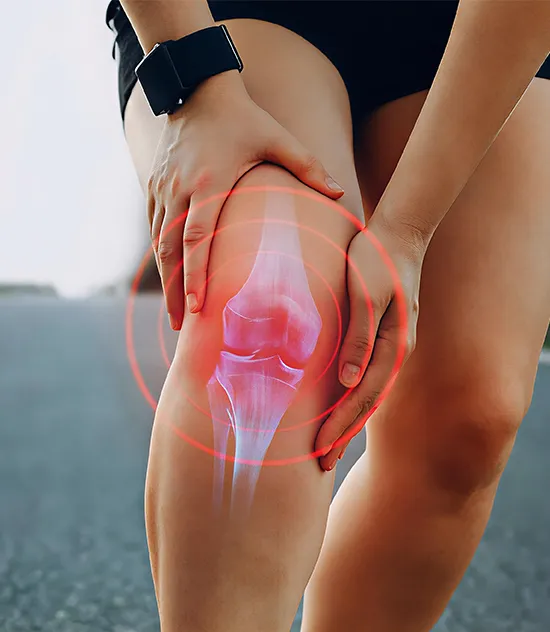
Experiencing leg pain or cramps? It could be Peripheral Artery Disease (PAD) or Knee Arthritis. Learn More




Stress can affect more than your mood, sleep, and ability to concentrate. It also triggers physical changes throughout the body, including changes in heart rate, blood pressure, and blood vessel function.
Short-term stress is a normal response that helps the body react to challenging situations. However, when stress continues for weeks or months, the repeated physical response may place additional strain on the cardiovascular system and contribute to factors that affect circulation.
When you experience stress, your body activates its fight-or-flight response. This response prepares you to react quickly to a perceived threat, even when the source of stress is emotional rather than physical.
Stress hormones such as adrenaline and cortisol are released into the bloodstream. These hormones can:
These changes are usually temporary. Once the stressful situation passes, your heart rate and blood pressure generally return to their normal levels.
The concern develops when the stress response remains active too often or for too long. Chronic stress may keep the body in a prolonged state of alertness, which can influence blood vessel function and cardiovascular health over time.
Yes, chronic stress can affect blood flow, although stress alone does not usually cause vascular disease.
Ongoing stress may contribute to several changes that influence circulation.
Repeated stress responses can cause temporary increases in blood pressure. When this happens frequently, it may make existing high blood pressure more difficult to control.
High blood pressure can gradually place strain on artery walls and increase the risk of vascular problems.
Stress hormones may cause blood vessels to narrow temporarily. This constriction can reduce blood flow to areas such as the hands and feet, making them feel cold, numb, or tingly during stressful situations.
Chronic stress may contribute to inflammation throughout the body. Long-term inflammation can affect blood vessel health and may play a role in the progression of cardiovascular disease.
Stress can also affect circulation indirectly by influencing daily habits. Some people respond to stress by:
These habits may increase the risk of high blood pressure, diabetes, obesity, high cholesterol, and vascular disease.
The key point is that stress may not directly create an artery or vein condition, but it can worsen risk factors that affect blood flow.
Temporary circulation changes may become noticeable during periods of stress or anxiety.
Possible symptoms include:
These symptoms may improve once the stressful situation passes.
However, symptoms that continue when you are calm, happen frequently, or worsen over time should not automatically be blamed on stress.
Stress-related symptoms and vascular symptoms can sometimes overlap. That is why persistent changes deserve a closer look.
Warning signs that may point to an underlying circulation problem include:
For example, leg cramping that begins while walking and improves with rest may be associated with PAD. Swelling, heaviness, or visible veins may point to a vein-related condition.
A vascular evaluation can help determine whether the symptoms are related to circulation or another cause.
Chronic stress may be more concerning for people who already have cardiovascular or vascular risk factors.
These include:
Stress may make some of these conditions harder to manage. For example, poor sleep and inactivity may affect blood sugar control, while stress-related eating may contribute to weight gain or higher cholesterol.
Healthy habits can help reduce the physical effects of chronic stress while supporting circulation.
Regular movement helps the heart pump blood efficiently and supports circulation in the legs. Walking, swimming, cycling, and other moderate activities may also help reduce stress.
Speak with your healthcare provider before starting a new exercise program if you have known heart or vascular disease.
Deep breathing, meditation, yoga, stretching, and quiet time may help calm the nervous system and reduce the body’s stress response.
Even short periods of controlled breathing during the day may help lower tension.
Poor sleep can worsen stress and make blood pressure, blood sugar, and appetite more difficult to manage. Try to maintain a consistent sleep schedule and create a calm routine before bed.
Adequate hydration helps support normal blood volume and circulation. Hydration needs vary, so follow your healthcare provider’s recommendations if you have heart, kidney, or other medical conditions.
A balanced diet that includes vegetables, fruits, whole grains, lean proteins, and healthy fats can support cardiovascular and vascular health.
Limiting sodium, heavily processed foods, and added sugars may also help manage blood pressure and other risk factors.
Smoking damages blood vessels and significantly increases the risk of PAD and other cardiovascular conditions. Quitting can improve circulation and reduce long-term vascular risk.
Take prescribed medications consistently and attend regular appointments for diabetes, high blood pressure, high cholesterol, and other chronic conditions.
Consider scheduling a vascular evaluation if circulation-related symptoms:
Stress and blood circulation are closely connected because stress temporarily changes heart rate, blood pressure, and the way blood moves through the body. Occasional changes during a stressful moment are usually short-lived, but chronic stress may worsen risk factors that affect long-term vascular health.
Persistent coldness, numbness, leg pain, swelling, skin changes, or slow-healing wounds should not be attributed to stress without proper evaluation.
North Atlanta Vascular Clinic provides comprehensive evaluation and treatment for artery and vein conditions. If you are concerned about stress and blood flow or have ongoing circulation-related symptoms, schedule a consultation to identify the cause and discuss the appropriate next steps.
Yes. Stress hormones can temporarily raise heart rate and blood pressure while narrowing certain blood vessels. These changes may make the hands or feet feel cold, numb, or tingly.
Anxiety can temporarily change blood flow through the fight-or-flight response. Persistent circulation symptoms, however, may have another underlying cause and should be evaluated.
Yes. Stress may cause blood vessels in the hands and feet to narrow temporarily, making these areas feel cold. Coldness that persists or affects only one side may need medical evaluation.
Regular movement, deep breathing, quality sleep, hydration, a heart-healthy diet, and avoiding smoking can support circulation while helping manage stress.
Seek evaluation when symptoms persist, interfere with daily life, or occur with pain, numbness, swelling, skin discoloration, slow-healing wounds, or vascular risk factors.