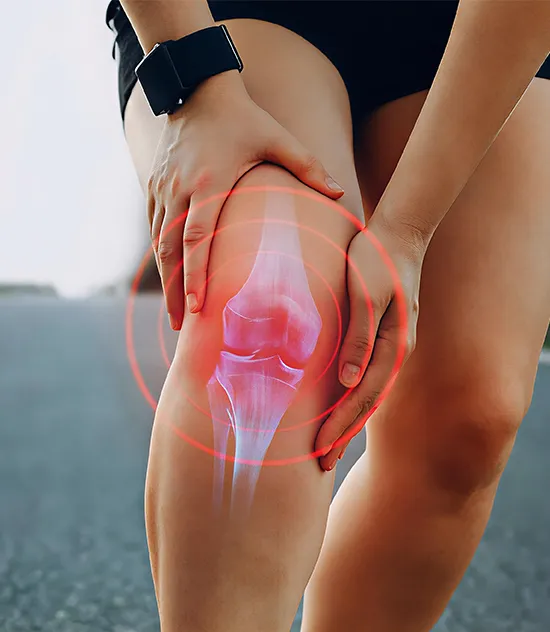
Experiencing leg pain or cramps? It could be Peripheral Artery Disease (PAD) or Knee Arthritis. Learn More




Flying is one of the fastest and most convenient ways to travel, whether for business, family visits, or long-awaited vacations. However, spending hours seated in an airplane cabin can place stress on your circulation, particularly in the legs. For some travelers, this increases the risk of deep vein thrombosis (DVT), a condition where blood clots form in deep veins, most commonly in the legs.
Deep vein thrombosis develops when blood flow slows and clots begin to form in the deep veins. Air travel creates several conditions that can increase this risk.
Sitting for long periods without movement reduces the natural muscle contractions in the legs that help push blood back toward the heart. When blood pools in the lower legs, clot formation becomes more likely.
Airplane cabins are pressurized at high altitudes, which can slightly reduce oxygen levels and contribute to dehydration. Dehydration thickens the blood, making clots more likely. Cramped seating can also place pressure on leg veins, further restricting blood flow.
Some travelers have a higher risk of developing DVT, including:
If you fall into one or more of these categories, taking preventive steps is especially important.
Recognizing early symptoms can lead to faster treatment and prevent complications.
Common signs of deep vein thrombosis include:
After a long flight, mild stiffness or achiness in both legs is common and usually improves with walking or stretching. DVT symptoms are often one-sided, persistent, and may worsen over time rather than improve.
Prompt medical attention is critical, as untreated DVT can lead to serious complications, including pulmonary embolism.
There are several effective ways to avoid DVT while flying:
Movement is one of the most effective ways to prevent blood clots while flying.
Compression stockings gently apply pressure to the legs, helping blood flow upward toward the heart.
A vascular specialist can help determine if compression stockings are right for you.
Dehydration increases the risk of blood clot formation.
Your seat choice can influence how easily you can move during the flight.
Tight clothing can restrict blood flow in the legs and waist.
If you have risk factors for DVT, it’s wise to consult a healthcare provider before traveling.
Pre-travel guidance is especially important for long-haul flights.
DVT risk isn’t limited to air travel. Long road trips, train rides, and bus journeys can create similar risks.
Helpful tips include:
The same circulation principles apply across all forms of travel.
Creating a simple routine can help protect your circulation on every flight.
Some symptoms require immediate medical attention.
Seek care right away if you experience:
These symptoms may indicate deep vein thrombosis or pulmonary embolism, both of which require urgent evaluation.
While flying can increase the risk of deep vein thrombosis, most travel-related blood clots are preventable. Simple habits such as moving regularly, staying hydrated, wearing compression stockings, and planning ahead can significantly reduce your risk. Being aware of early warning signs and taking proactive steps helps ensure safer, more comfortable travel.
If you’re concerned about blood clots while traveling or have risk factors for deep vein thrombosis, North Atlanta Vascular Clinic is here to help. Our experienced vascular specialists provide comprehensive evaluations, preventive guidance, and personalized treatment plans to support your circulation and long-term health.
Schedule a consultation today to travel with confidence and protect your vascular health before your next trip.