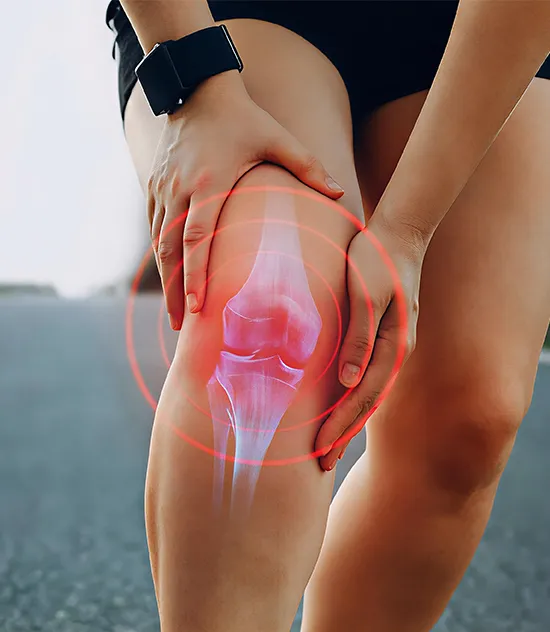
Experiencing leg pain or cramps? It could be Peripheral Artery Disease (PAD) or Knee Arthritis. Learn More




Many people find themselves thinking, “My hands and feet are always cold,” even when the room feels warm. Cold hands and feet can be uncomfortable, frustrating, and sometimes concerning. While occasional coldness is common, especially in colder weather, persistent cold hands and feet should not be ignored.
In many cases, nutrient deficiencies can play a role. However, circulation issues and underlying medical conditions may also contribute. Understanding why your hands and feet feel cold can help you take the right steps toward lasting relief and better vascular health.
Your body relies on healthy blood flow and nerve function to regulate temperature. When circulation is strong, warm blood easily reaches your fingers and toes. When something interferes with that process, your extremities may feel cold more often.
Temporary cold hands and feet can occur after exposure to cold weather, stress, or sitting still for long periods. Chronic symptoms are different. If you always have cold feet and hands, it may signal that your body is struggling to deliver enough warm, oxygen-rich blood to those areas.
When cold hands and feet happen frequently or without an obvious reason, it is worth paying attention to what your body may be telling you.
Several nutrient deficiencies are known to affect circulation, oxygen delivery, and nerve health. These deficiencies may explain why some people consistently experience cold extremities.
Iron plays a critical role in producing hemoglobin, the protein in red blood cells that carries oxygen throughout the body. When iron levels are low, oxygen delivery to tissues decreases, especially in the hands and feet.
People with iron deficiency may notice:
Iron deficiency anemia is one of the most common nutritional causes of feeling cold and should be evaluated with blood testing if symptoms persist.
Vitamin B12 supports nerve function and red blood cell production. When B12 levels are low, nerve signals may not transmit properly, and circulation can be affected.
Those who always have cold feet and hands due to B12 deficiency may also experience:
Magnesium helps regulate muscle and blood vessel relaxation. Without enough magnesium, blood vessels may remain more constricted, limiting blood flow to the extremities.
Low magnesium levels may cause:
Because magnesium is involved in circulation, low levels can contribute to consistently cold hands and feet.
Vitamin D plays a role in blood vessel health and circulation regulation. Low levels have been linked to impaired vascular function.
Vitamin D deficiency is especially common during fall and winter months when sun exposure is limited. Some people notice increased cold hands and feet during this time, along with fatigue or muscle aches.
While deficiencies are common, they are not the only explanation. Many people wonder, are cold hands a symptom of anything more serious? The answer can sometimes be yes.
Poor circulation is a frequent cause of cold extremities. When blood does not flow efficiently, hands and feet are often the first areas affected.
Conditions that may affect circulation include:
Cold hands and feet can also be associated with:
In addition to deficiencies and medical conditions, lifestyle factors may contribute to feeling cold.
A sedentary lifestyle can slow circulation, especially if you sit for long periods. Low body weight or restrictive diets may reduce insulation and energy availability. Smoking and excessive caffeine intake can constrict blood vessels, limiting blood flow to the extremities. Stress also triggers the nervous system to redirect blood away from the hands and feet.
These factors can worsen symptoms, especially when combined with nutritional deficiencies or circulation issues.
Addressing cold hands and feet often requires a combination of dietary, lifestyle, and medical approaches.
Eating nutrient-rich foods that support blood flow can help improve symptoms. Focus on foods rich in iron, magnesium, B vitamins, and healthy fats. Leafy greens, lean proteins, nuts, seeds, and whole grains support vascular health and circulation.
If deficiencies are suspected, a healthcare provider may recommend testing and supplementation.
Regular movement helps pump blood through the body and improves circulation. Walking, stretching, and light strength exercises can make a noticeable difference. Even short movement breaks throughout the day can help warm hands and feet.
Wearing gloves, warm socks, and layers helps retain heat. Avoid extreme temperature changes, which can trigger blood vessel constriction. Keeping your core warm also helps improve blood flow to your hands and feet.
Chronic stress can contribute to cold extremities by affecting blood vessel function. Relaxation techniques, adequate sleep, and stress management support better circulation and overall health.
If your hands and feet are always cold despite lifestyle changes, or if symptoms worsen, it is important to consult a medical professional. Persistent coldness, especially with pain, numbness, or color changes, should not be ignored.
If you often find yourself saying, “My hands and feet are always cold,” deficiencies may be part of the explanation. Iron, vitamin B12, magnesium, and vitamin D deficiencies can all affect circulation and temperature regulation. However, cold hands and feet may also signal poor circulation or underlying vascular conditions.
Addressing symptoms early allows for proper evaluation, targeted treatment, and long-term relief rather than temporary fixes.
If cold hands and feet are affecting your daily comfort or raising concerns about your circulation, the specialists at North Atlanta Vascular Clinic can help. A thorough evaluation can determine whether nutrient deficiencies, circulation issues, or vascular conditions are contributing to your symptoms.
Schedule a consultation with our experts today and take an important step toward warmer hands, healthier circulation, and long-term vascular health.