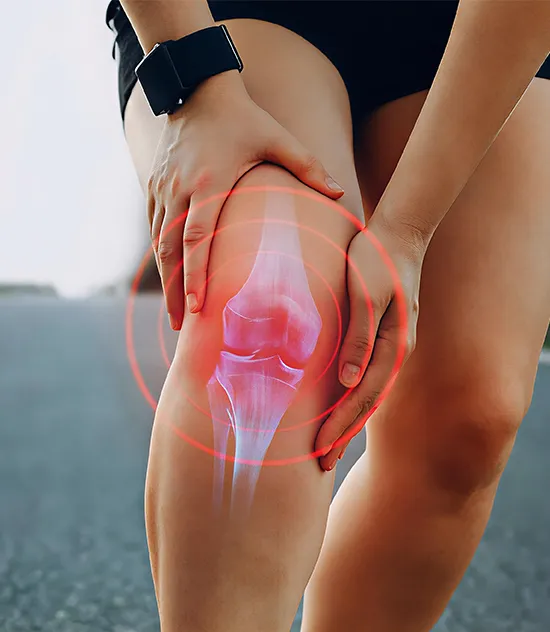
Experiencing leg pain or cramps? It could be Peripheral Artery Disease (PAD) or Knee Arthritis. Learn More




Healthy blood circulation helps deliver oxygen and nutrients throughout the body. When blood flow is working well, your muscles, organs, skin, and tissues receive the support they need to function properly.
Diet alone cannot fix a vascular condition, but the foods you eat can support heart and blood vessel health. A balanced diet, regular movement, hydration, not smoking, and managing blood pressure, cholesterol, and diabetes all play an important role in vascular wellness.
Fatty fish such as salmon, sardines, trout, tuna, and mackerel are rich in omega-3 fatty acids. These healthy fats support heart and blood vessel health and are often included in heart-healthy eating patterns.
Omega-3s may help support healthy triglyceride levels and reduce inflammation in the body. For better vascular health, try to choose baked, grilled, or broiled fish instead of fried options.
Leafy greens such as spinach, kale, arugula, collard greens, and Swiss chard are good for the vascular system because they contain vitamins, minerals, fiber, and dietary nitrates.
Dietary nitrates can help the body produce nitric oxide, a compound that helps blood vessels relax. This may support healthy blood flow and blood pressure.
Adding greens to salads, soups, smoothies, omelets, or grain bowls is a simple way to improve daily nutrition.
Beets are naturally high in nitrates, which may support nitric oxide production and healthy circulation. Many athletes use beet-based foods or drinks because nitrates may help support blood flow during physical activity.
Beets can be roasted, added to salads, blended into smoothies, or used in soups. If you are new to beets, start with small portions and build gradually.
Citrus fruits such as oranges, grapefruit, lemons, and limes are rich in vitamin C and antioxidants. Vitamin C supports healthy blood vessels and helps the body maintain connective tissue.
Citrus fruits can also be a good replacement for sugary snacks or desserts. Choose whole fruit when possible because it provides fiber along with natural sweetness.
People taking certain medications, especially some cholesterol or blood pressure medications, should ask their healthcare provider before eating grapefruit regularly.
Berries such as blueberries, strawberries, raspberries, and blackberries are packed with antioxidants and fiber. These nutrients help protect blood vessels from oxidative stress and support overall cardiovascular health.
Berries are easy to add to oatmeal, yogurt, salads, or snacks. They are also naturally sweet without the added sugar found in many processed desserts.
Garlic contains plant compounds that may support blood vessel function and heart health. It has been studied for its possible role in supporting healthy blood pressure and circulation.
Garlic can be added to vegetables, soups, sauces, fish, chicken, beans, and whole grains. For people taking blood thinners or preparing for surgery, it is best to ask a healthcare provider before using garlic supplements.
Nuts and seeds provide healthy fats, fiber, plant protein, magnesium, and vitamin E. Almonds, walnuts, pistachios, chia seeds, flaxseeds, pumpkin seeds, and sunflower seeds can all fit into a vascular-friendly diet.
Because nuts are calorie-dense, portion size matters. A small handful can be enough for a snack. Choose unsalted varieties when possible to limit sodium intake.
Olive oil is rich in monounsaturated fats, which are often included in heart-healthy eating plans. Replacing butter, shortening, or highly processed oils with olive oil may support healthier cholesterol patterns and artery health.
Use olive oil in salad dressings, roasted vegetables, marinades, or light sautéing. It works best as part of an overall diet rich in vegetables, fruits, legumes, whole grains, lean proteins, nuts, and seeds.
Tomatoes are a source of lycopene, vitamin C, potassium, and antioxidants. Lycopene is a plant compound that gives tomatoes their red color and may support heart and blood vessel health.
Fresh tomatoes, tomato sauce, tomato soup, and roasted tomatoes can all be healthy choices. When choosing canned or jarred tomato products, look for lower-sodium options when available.
Pomegranate is rich in antioxidants that may help support healthy blood flow and protect blood vessels from oxidative stress. Pomegranate seeds can be added to salads, yogurt, oatmeal, or grain bowls.
Pomegranate juice can be high in natural sugar, so whole pomegranate seeds are often a better everyday choice. If you drink juice, choose a small portion and avoid options with added sugar.
Healthy foods can support vascular wellness, but diet alone is not enough when symptoms suggest a circulation problem.
You should consider seeing a vascular specialist if you have:
Seek urgent medical care for sudden one-sided weakness, chest pain, severe shortness of breath, sudden severe leg pain, or sudden coldness and color change in a limb.
Foods good for vascular health can help support circulation, blood vessel function, and overall wellness. Fatty fish, leafy greens, beets, citrus fruits, berries, garlic, nuts, seeds, olive oil, tomatoes, and pomegranate can all be part of a circulation-friendly eating pattern.
However, ongoing leg pain, swelling, skin changes, or non-healing wounds should not be ignored. If you are concerned about poor circulation or vascular symptoms, North Atlanta Vascular Clinic can help evaluate the cause and recommend appropriate treatment options. Schedule a consultation at one of our locations in Suwanee/Johns Creek, Cumming, Alpharetta, or Lawrenceville, GA.
Bananas contain potassium, which supports healthy blood pressure balance. They can be part of a healthy diet, but they should not be viewed as a treatment for poor circulation.
Moderate coffee intake is generally acceptable for many people, but caffeine can affect individuals differently. If caffeine worsens palpitations, blood pressure, or symptoms, ask your healthcare provider for guidance.
It is best to limit highly processed foods, excess sodium, sugary drinks, fried foods, trans fats, and foods high in saturated fat. These can affect blood pressure, cholesterol, blood sugar, and vascular health.
Regular walking, a heart-healthy diet, hydration, not smoking, healthy weight management, and controlling blood pressure, cholesterol, and diabetes can support better circulation. Persistent symptoms still need medical evaluation.